


Temperature measurement for high-pressure processes
Measure temperature in LDPE and other demanding pressure applications with a sensor designed around the complete duty. TE Instrumentation designs and manufactures Thermo Electric high-pressure temperature assemblies, combining the sensing element, pressure connection and sealing arrangement with the required inspection and documentation.
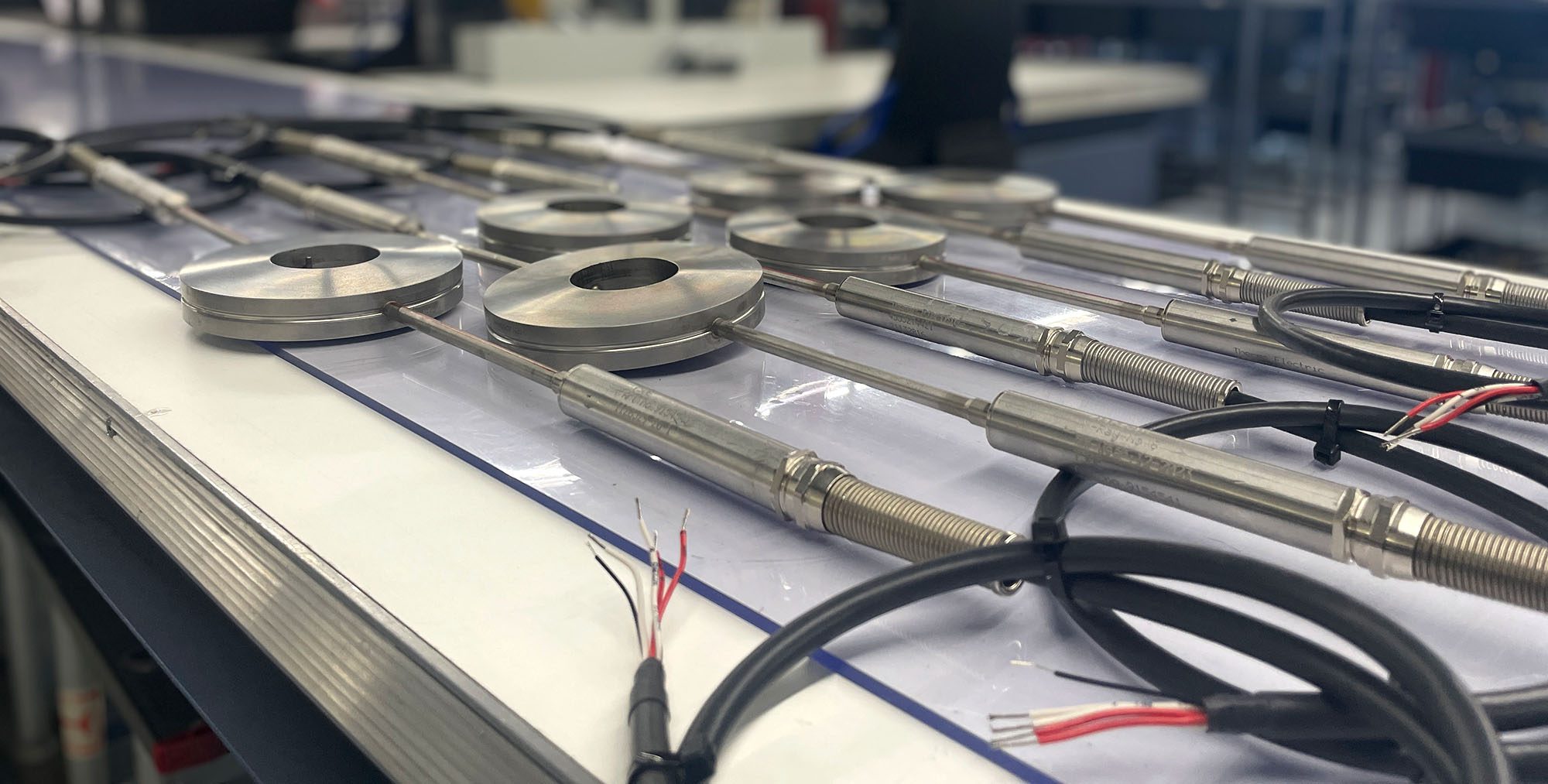
High-Pressure Sensors for your application

Temperature measurement around the pressure connection
High-pressure LDPE service requires the sensor and pressure parts to be specified together. Supply the normal and design conditions, medium, connection drawing and mechanical loading so the construction and inspection requirements can be reviewed.

Matching the complete assembly to the installation
For a replacement, send the existing part number and drawing rather than relying on external appearance. Review the sealing area, insertion length, temperature element, electrical termination and operating history against the actual duty.
Heavy-wall MI assemblies
The brochure describes heavy-wall mineral-insulated thermocouple cable with magnesium oxide insulation. Specify the thermocouple type, sheath diameter and materials for the duty.
Screwed & clamped designs
Select the mounting and pressure connection around the equipment drawing, sealing arrangement and available space. The complete assembly must be assessed for the application.
Ring connections
Ring-type configurations are described alongside other pressure connections. Confirm the geometry, material and condition of the mating sealing surfaces for the equipment.
Electrical connections
Flexible braided leads, quick-coupling connectors and industrial junction boxes are listed. Match the termination and wiring to the instrument, installation and environmental conditions.
Engineering, testing and service support
Pressure-part engineering
Provide the pressure, temperature, medium and connection drawing. Materials, joining method and thermal expansion must be considered across the complete operating duty.
Inspection and traceability
The brochure describes radiographic checks of junctions and brazed joints plus further inspection options. Agree the inspection plan, acceptance criteria and certificates for the assembly.
Calibration and replacement
Specify the calibration points and documentation needed for the measuring system. For replacements, include the service history and any corrosion, fatigue, vibration or sealing concerns.
Specifying high-pressure sensors
Duty & materials
Construction & joints
Inspection & testing
Signals & calibration
Supply normal and design pressure and temperature, the medium, thermal cycling and mechanical loading. Corrosion, fatigue, brittleness and differences in thermal expansion are identified as material-selection considerations in the brochure.
A stated test capability is not the pressure rating of every sensor. The allowable duty must be established for the complete specified assembly.
The brochure describes heavy-wall mineral-insulated thermocouple construction with magnesium oxide insulation, grounded or ungrounded junctions and vacuum-brazed pressure joints.
Specify the sheath, connection, joint arrangement and sealing geometry together. The junction choice also affects electrical isolation and response, so it must match the connected measuring system.
Agree the inspection and test plan before manufacture. Options described in the brochure include radiography, material identification, leak testing, pressure testing and other non-destructive examinations.
Specify the test conditions, acceptance criteria, records and material certificates required for the project. Do not infer an operating rating or a standard test package from the brochure’s facility limits.
Match the thermocouple type, polarity, extension wiring and instrument input. The temperature handbook explains how junction construction, the reference connection and the measurement circuit affect the result.
Confirm calibration points, traceability and certificate requirements with the enquiry. Include lead or connector details and environmental protection requirements for the installation.
Are these pressure transmitters?
This page covers temperature sensors designed for high-pressure processes. The pressure connection and sensing element are specified as a complete temperature measurement assembly.
Are the sensors suitable for LDPE service?
The brochure covers high-pressure LDPE temperature assemblies. Suitability for a particular process requires review of the pressure, temperature, medium, materials, connection and inspection requirements.
Can one pressure rating be given for the full range?
No single operating rating should be assumed for every construction. The complete assembly must be assessed for the specified duty; a test-facility capability is not a universal sensor rating.
What construction options are available?
The brochure describes heavy-wall mineral-insulated thermocouples, grounded or ungrounded junctions, screwed, clamped and ring-type connections, and several electrical termination options.
What testing can be requested?
Radiography, leak testing, pressure testing, material identification and other inspection options are described. Agree the required methods, test conditions, acceptance criteria and documentation for the specific order.
What should I send for a replacement?
Send the existing reference and drawing, normal and design conditions, medium, dimensions, sealing details, electrical connections and service history, together with the calibration and inspection requirements.
Brochures and technical resources
High-Pressure Sensors brochure (PDF)
Related sensor routes: Multipoint Sensors | Tube Skin Thermocouples | Thermowells & Pockets | All Industrial Sensors | Calibration
Discuss your high-pressure temperature sensor
Send your requirements
Send the existing reference and drawing, normal and design conditions, medium, dimensions, sealing details, electrical connections and service history, together with the calibration and inspection requirements.