


Tube surface temperature measurement for furnaces and boilers
Measure the temperature of process-tube surfaces in fired furnaces and boilers. TE Instrumentation designs and manufactures Thermo Electric tube skin thermocouples around the tube, attachment arrangement and furnace conditions. The weld pad, protection and cable routing are specified together to address surface contact, radiant heat and thermal movement.
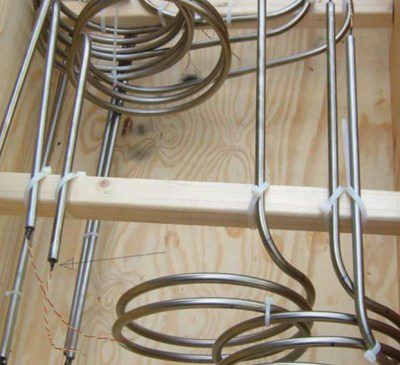
Tube Skin Thermocouples for your application
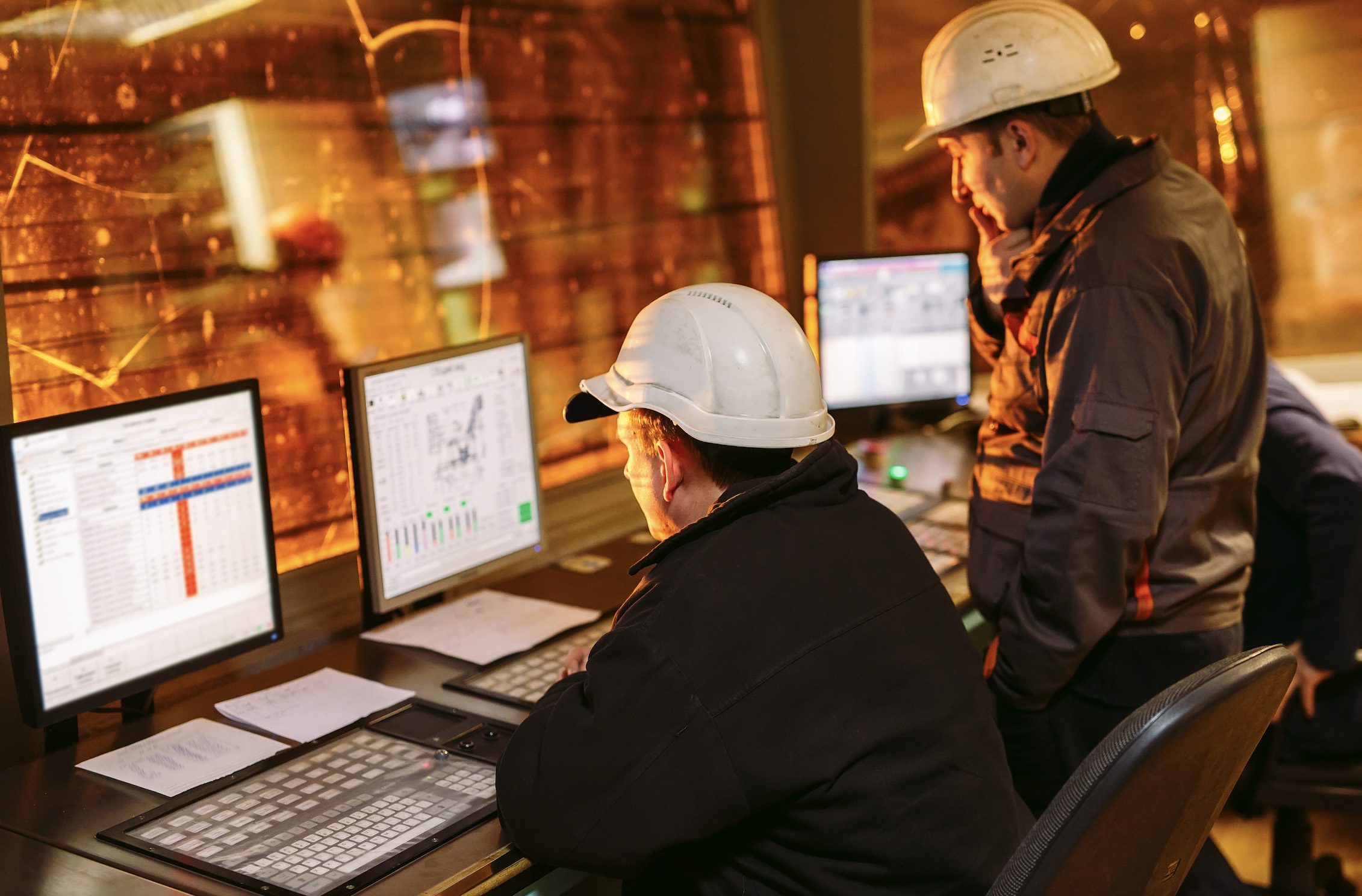
Monitoring the process-tube surface
Tube skin thermocouples measure the surface rather than the surrounding furnace atmosphere. Specify the tube location, temperature conditions and exposure to flame or radiant heat so that the attachment and protection can be assessed.

Routing cable around expansion and installation constraints
Consider tube and furnace movement during heating and cooling. The cable route, clamps and expansion loops need to accommodate the equipment’s movement while maintaining the specified measuring-point arrangement.
Weld-pad assemblies
A weld pad positions the measuring tip at the selected tube location. Review the attachment, tube material and contact arrangement with the equipment and installation requirements.
Heat-guard options
An optional heat guard can reduce the influence of flame impingement and radiant heat at the tip. Suitability depends on the furnace arrangement and the complete sensor design.
Protected MI cable
Mineral-insulated cable is available with sheath and secondary-protection options. Select materials around the process temperature, atmosphere and exposed cable route.
Extractable designs
Extractable constructions and metric or imperial dimensions are described in the brochure. Confirm access, mounting and replacement requirements against the equipment drawing.
Engineering, testing and service support
Application and attachment
Send the tube details, material, measuring location and furnace or boiler drawing. We review the attachment and protection around the surface measurement required.
Installation planning
Agree the cable route, supports and allowance for thermal movement before installation. Use the equipment-specific instructions and applicable welding procedures for the final arrangement.
Testing and maintenance
Specify calibration, dimensional checks and documentation with the enquiry. Include replacement access and any existing installation problems so that the complete assembly can be reviewed.
Specifying tube skin thermocouples
Contact & location
Materials & protection
Movement & routing
System & calibration
Surface contact and measuring-point position affect the reading. The brochure describes direct sheath contact with the tube and a weld pad at the required location. Agree the attachment method with the equipment and installation requirements.
Review exposure to radiant heat and flame impingement. The reading depends on the installed arrangement, not only on the calibration of the thermocouple element.
Tube skin assemblies use mineral-insulated cable with application-dependent sheath options. The brochure lists materials including SS310, SS446, Hastelloy and HR160, together with secondary sleeves or double-sheath constructions.
Select the material and protection for the full duty, including the atmosphere and the cable’s exposure. A material name alone does not establish the allowable temperature or service life of the assembly.
Specify the expected movement of the tube and furnace during thermal cycling. Review the route, supports, weld clamps and expansion loops as part of the installation design.
The brochure recommends allowing for expansion to avoid straining the thermocouple. The required loop and support arrangement must be determined for the equipment; a generic loop dimension is not a universal installation rule.
Match the thermocouple type, polarity, extension wiring and instrument input. The temperature handbook explains why the complete thermocouple circuit and reference-junction compensation matter to the result.
Agree calibration points, traceability and the documentation required for the project. Laboratory calibration does not by itself establish the accuracy of a tube-surface measurement after installation.
What does a tube skin thermocouple measure?
It measures the temperature at the process-tube surface. Contact, attachment and exposure to furnace radiation can influence how the installed reading represents that surface.
Is a heat guard always required?
The brochure describes an optional heat guard to reduce the effects of flame impingement and radiant heat. The need and arrangement depend on the furnace and sensor installation.
Why are expansion loops considered?
Heating and cooling can move the tube and furnace components. Allowance for movement helps avoid strain on the thermocouple; the route and loop arrangement must suit the actual equipment.
Which sheath materials are available?
The brochure lists options including SS310, SS446, Hastelloy and HR160. Selection depends on the atmosphere, operating temperatures and complete assembly construction.
Can an existing assembly be replaced?
Send the existing reference and drawing, tube details, cable route and operating conditions. Extractable and other replacement arrangements must be checked against the installed equipment.
What should I send with an enquiry?
Include the furnace or boiler model, tube material and dimensions, measuring location, temperatures, atmosphere, attachment details, cable route, expected movement and required certificates.
Brochures and technical resources
Tube Skin Thermocouples brochure (PDF)
Related sensor routes: Multipoint Sensors | Thermowells & Pockets | High-Pressure Sensors | All Industrial Sensors | Calibration
Discuss your tube skin sensor installation
Send your requirements
Include the furnace or boiler model, tube material and dimensions, measuring location, temperatures, atmosphere, attachment details, cable route, expected movement and required certificates.