


Process protection around your temperature sensor
Protect a temperature sensor from direct exposure to process pressure, flow and the medium. TE Instrumentation designs and manufactures Thermo Electric thermowells and pockets around the process conditions, sensor dimensions and connection. Material selection, insertion length and the required mechanical assessment are considered together.
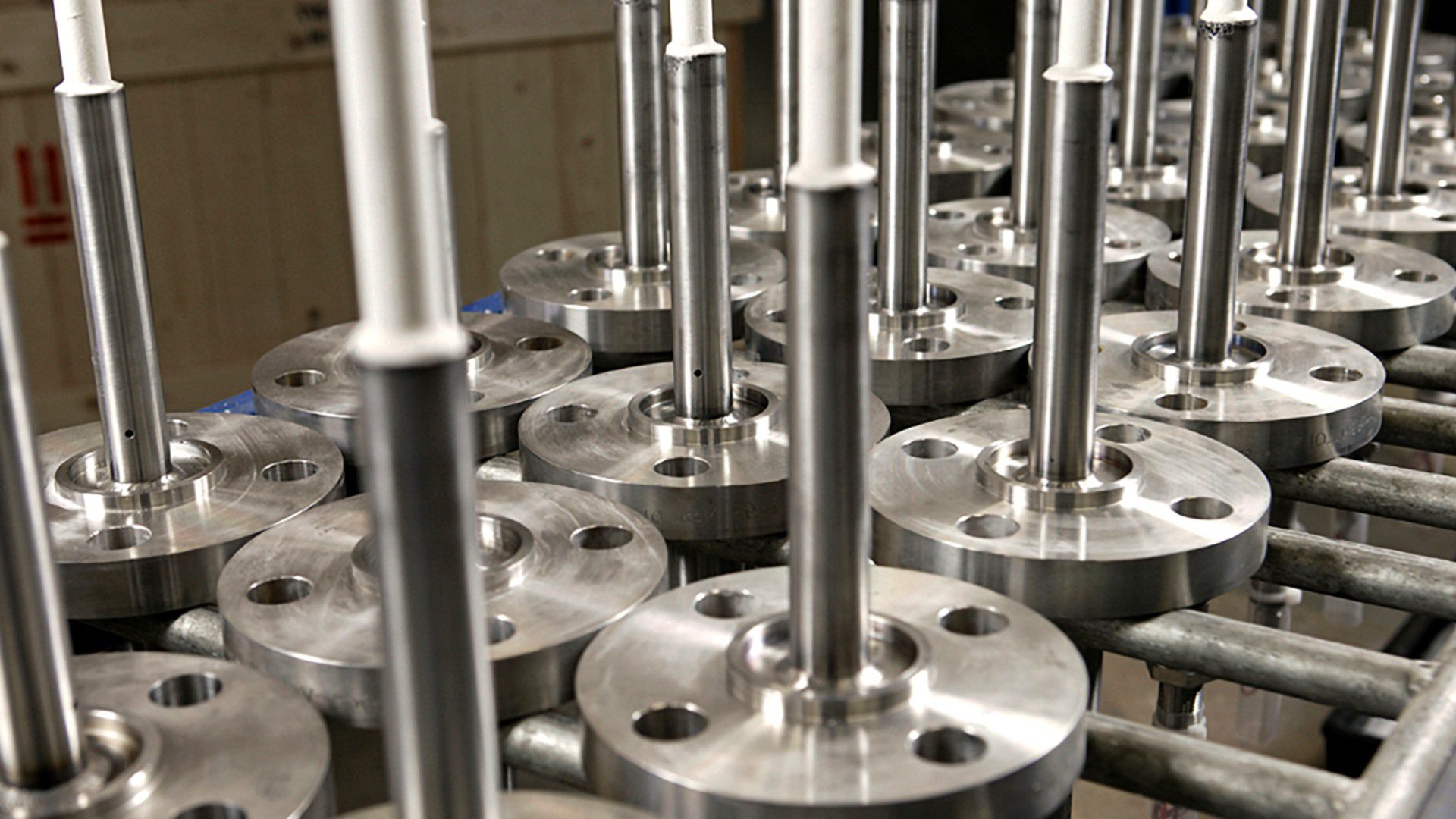
Thermowells & Pockets for your application
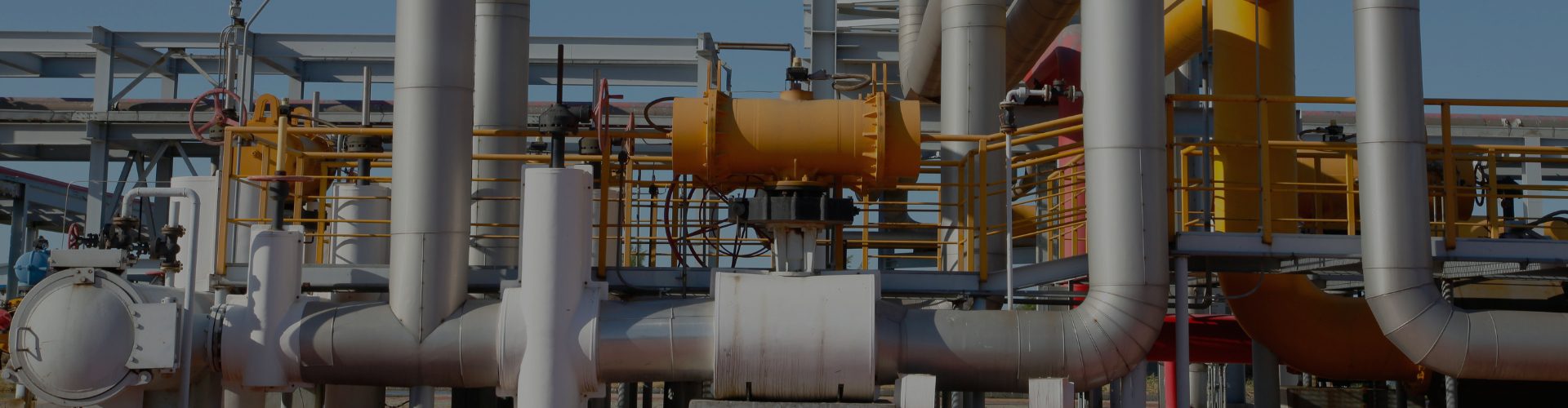
Protection in chemical and oil and gas processes
Choose the material and construction around the medium, pressure, temperature and flow conditions. Include corrosion information and the installation drawing so the process connection and exposed stem can be assessed.
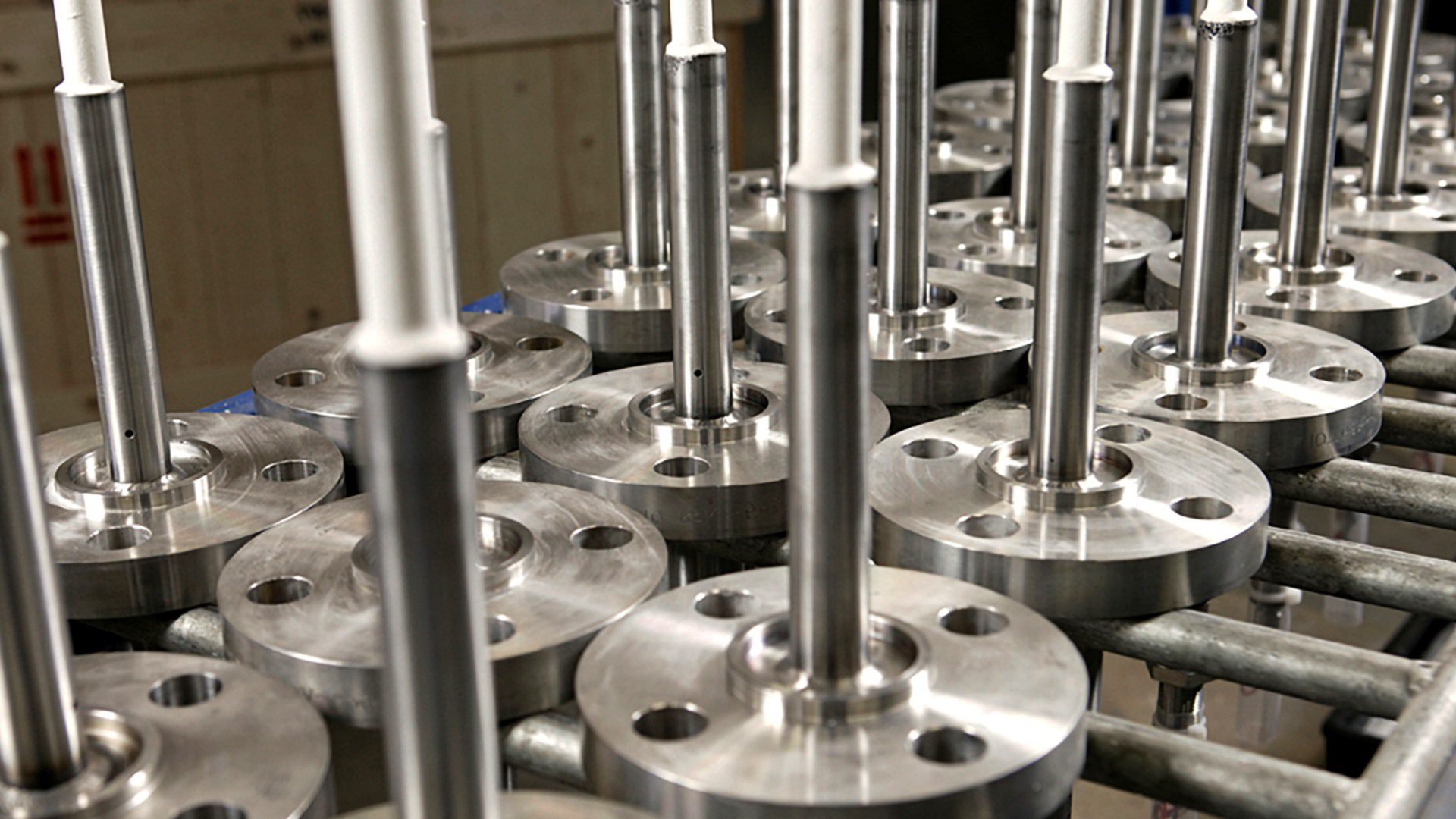
Thermowell selection for flowing service
Steam lines, boilers and heat exchangers can expose thermowells to thermal and mechanical loading. Review insertion length, stem profile and support conditions alongside the operating conditions and required design assessment.
Straight profiles
A straight stem is one of the constructions listed in the brochure. Review stem and bore dimensions, insertion length and process loading for the complete installation.
Tapered & stepped profiles
Alternative stem profiles can be assessed around the process and response requirements. Profile selection requires the dimensions, material and relevant mechanical checks.
Process connections
Flanged, threaded and welded arrangements are available. Specify the connection, pressure and temperature duty, sealing details and installation dimensions.
Helical strake designs
The brochure includes helical strake thermowells for flow-induced vibration considerations. Review the design and the applicable assessment method for the specific installation.
Engineering, testing and service support
Dimensions and materials
Send the sensor dimensions, required insertion length, bore, connection and process data. We review the thermowell material and geometry around the complete assembly.
Mechanical assessment
Where required, agree a wake-frequency and stress assessment with the applicable method and scope. Supply the relevant process and installation data before finalising the design.
Inspection and documentation
Specify material traceability, dimensional checks, pressure or other inspection requirements and the required documentation package. Agree the inspection plan for the particular construction.
Specifying thermowells and pockets
Process & material
Geometry & sensor fit
Flow & vibration
Connections & inspection
Provide the medium, normal and design temperatures, pressure and relevant corrosion or erosion conditions. The brochure lists stainless steels, Inconel, Hastelloy and other alloy options; selection must match the duty.
The temperature handbook describes thermowells and protection tubes as protection against mechanical damage and corrosive or contaminating atmospheres. A thermowell does not make every material or sensor suitable for every process.
Specify the insertion length, unsupported length, stem profile, bore, tip dimensions and process connection. Include the sensor diameter and the required tip-contact or insertion arrangement.
Sensor fit, protection and response need to be considered together. Changing a stem dimension may affect both the thermal behaviour and the mechanical assessment.
Supply the relevant flow and fluid-property data with the installation and thermowell dimensions. Ask for the required wake-frequency and stress assessment before confirming a design for flowing service.
The brochure references ASME PTC 19.3 TW-2016 and also describes helical strake constructions. Agree the applicable assessment method and its scope for the actual design; inclusion in the brochure is not a universal calculation or compliance result.
Confirm flanged, threaded or welded mounting, the mating connection, sealing arrangement and access available for installation. Supply the project drawing and required material or inspection documentation.
Agree any pressure, dimensional or other testing with the enquiry. Requirements depend on the thermowell construction and process specification rather than one fixed package for every order.
What is the purpose of a thermowell?
It provides a protective barrier between the temperature sensor and process conditions. Selection depends on pressure, flow, temperature, medium, dimensions and the required installation arrangement.
Which profiles are available?
The brochure describes straight, tapered, stepped and helical strake designs. The appropriate profile and assessment method must be agreed for the process and installation.
Which mounting connections can be specified?
Flanged, threaded and welded configurations are listed in the brochure. Include the mating connection, dimensions, duty and sealing requirements with the enquiry.
When should a wake-frequency assessment be requested?
Request the required mechanical assessment when flow-induced vibration is a design consideration. Provide the process and dimensional data and agree the applicable method and scope with the engineering team.
Does fitting a thermowell affect response time?
The protection adds another part to the thermal path between the process and sensor. Geometry, material, installation and sensor fit influence the response, so the full assembly should be reviewed.
What is needed for a quotation?
Send the drawing or required dimensions, medium, temperatures, pressure, flow information, material, connection, sensor dimensions and the calculation, test or certification requirements.
Brochures and technical resources
Thermowells & Pockets brochure (PDF)
Related sensor routes: Multipoint Sensors | Tube Skin Thermocouples | High-Pressure Sensors | All Industrial Sensors | Calibration
Discuss your thermowell specification
Send your requirements
Send the drawing or required dimensions, medium, temperatures, pressure, flow information, material, connection, sensor dimensions and the calculation, test or certification requirements.